

Detroit has one of the largest concentrations of older homes in the Midwest. Many of these houses date back to a time before modern electrical safety standards existed. While these homes offer character and solid construction, they also carry hidden electrical risks that are often overlooked. One of the most misunderstood areas of home circuit breaker safety involves AFCI and GFCI protection.
Why Electrical Safety in Older Homes Deserves Special Attention
Many homes in the Detroit area still operate on electrical systems that predate modern appliances, electronics, and usage patterns. Decades ago, homes used far fewer devices, and circuits carried lighter loads. Over time, homeowners started to add outlets, lighting, and appliances without upgrading the underlying electrical infrastructure.
Aging wire insulation, worn connections, and outdated breaker panels increase the risk of electrical failures. Loose wiring and deteriorated materials raise the chances of sparks, overheating, and short circuits. These conditions make electrical safety in older homes a serious concern, especially when combined with modern electrical demands. Protective devices like AFCIs and GFCIs exist specifically to address these risks, but many older homes still lack them entirely.
What Is a GFCI & What Does It Protect Against?
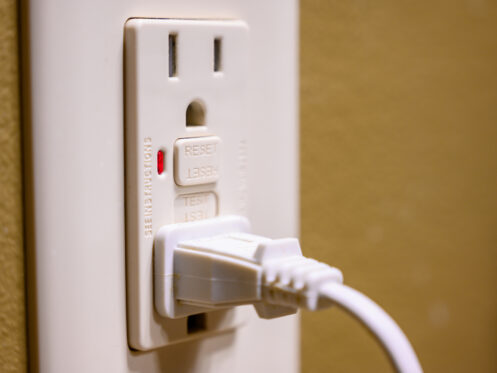
A ground-fault circuit interrupter (GFCI) outlet protects people from electrical shock. It constantly monitors the flow of electricity through a circuit. When it detects an imbalance, meaning electricity is flowing where it should not, the device shuts off power right away. This type of fault often occurs when electricity comes into contact with water and then travels through a person. GFCI protection reduces the chance of severe shock or electrocution.
In modern homes, electrical codes require GFCI protection for outlets in areas where water and electricity often come close together. These areas typically include bathrooms, kitchens, basements, and laundry rooms. They are also required in crawl spaces and for outdoor outlets. In older Detroit homes, many of these locations still operate without GFCI protection. That gap increases the risk, especially in kitchens and bathrooms where household members use both electricity and water.
AFCIs Focus on Fire Prevention
An arc-fault circuit interrupter (AFCI) protects against electrical fires rather than shocks. Arc faults occur when electricity jumps across damaged or loose wiring instead of flowing smoothly through a wire. These arcs generate intense heat that can ignite surrounding materials. AFCI devices detect the unique electrical signatures created by arcing conditions. When detected, the breaker shuts off power before heat buildup leads to a fire.
Homes with older wiring systems face a higher risk of arc faults due to insulation breakdown, loose connections, and physical wear. Modern electrical codes require AFCI protection for most living areas. This includes bedrooms, living rooms, dining rooms, and hallways. However, places like garages and unfinished basements may not require this level of protection.
If your home has outdated knob-and-tube wiring or early cloth-insulated cables, simply adding AFCI is not an adequate solution. These types of wiring are considered non-compliant with modern electrical codes and carry a higher risk of fire. The insulation on these older wires is often brittle, frayed, or degraded, increasing the chance of arcing and overheating. They also lack proper grounding, increasing the risk of electrical shock. Adding an AFCI device doesn’t eliminate these underlying hazards.
Replacing outdated wires with modern, properly insulated ones is the only reliable solution. New wiring provides safe pathways for electricity, reducing the risk of sparks and electrical shock. It also allows AFCI and GFCI protection to work correctly throughout your home. Working with a company that provides reliable electrical services will ensure that your electrical system meets current safety standards.
When Detroit Homeowners Should Consider Electrical Upgrades
Beyond replacing outdated wiring, several warning signs indicate the need for electrical upgrades. Frequent breaker trips, flickering lights, warm outlets, or buzzing sounds often point to overloaded circuits or failing components behind the walls. These issues tend to worsen during peak usage, especially in winter and summer when heating or cooling systems run more often. Homes undergoing remodeling also present an ideal opportunity to upgrade your electrical system, since walls are already open and access is easier.
Many Detroit homeowners are also adding modern electrical conveniences that older systems were never designed to support. Electric vehicle chargers, home offices with multiple devices, high-efficiency appliances, and smart home technology all place additional demand on existing circuits. Without proper upgrades, these additions can strain older electrical panels and wiring, increasing the risk of nuisance trips or unsafe conditions.
If your home still uses a fuse panel or lacks space for modern breakers, a panel upgrade may provide the safest path forward. Detroit electrical upgrades often focus on bringing older systems up to current safety expectations while preserving the home’s character. Updated panels allow for proper AFCI and GFCI protection, improved load distribution, and flexibility for future improvements.
If you are planning to sell, electrical upgrades are also worth considering. Buyers increasingly expect modern safety features, and AFCI and GFCI protection can improve inspection outcomes and buyer confidence.
Why Professional Installation Matters
Electrical upgrades require careful evaluation and proper installation. Misapplied AFCI or GFCI protection can lead to nuisance tripping, incomplete coverage, or compatibility issues with older wiring. Our team understands how to balance protection, performance, and system limitations in Detroit’s older homes.
A professional assessment helps ensure AFCI and GFCI devices are installed where they provide the most benefit and operate correctly with your existing electrical system. This approach improves safety while keeping your home compliant with local codes and inspection requirements.
Bringing Electrical Safety Up to Modern Standards
Updating your home to meet modern electrical standards is not just about passing inspections or keeping up with code changes. AFCI and GFCI protection offer practical benefits that homeowners notice every day. These upgrades reduce the risk of electrical fires, lower the chance of shock-related injuries, and provide more consistent electrical performance throughout the home.
Modern protection also supports long-term reliability. Circuits that are properly protected and sized for current usage are less likely to damage appliances and cause recurring electrical issues. For homeowners, this means fewer disruptions, greater peace of mind, and a safer living environment.
Strategic upgrades allow Detroit homeowners to enjoy the benefits of modern electrical safety without sacrificing the character of older construction. When done correctly, these improvements blend seamlessly into the existing home while delivering meaningful, long-lasting protection.
Protecting Detroit Homes With Smarter Electrical Safety
At Great Dane, we have proudly served the Detroit Metropolitan area since 1999. As a trusted part of the community, we provide reliable electrical inspections and solutions designed to improve safety, performance, and long-term value.
Contact us today to schedule a professional evaluation and take the next step toward a safer home.