

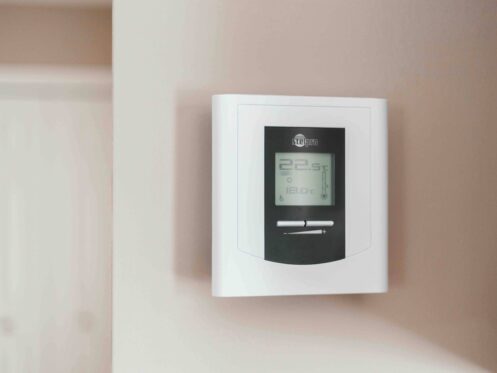
What Is the Best Temperature to Set My Thermostat in Winter to Save Money?
Shivering from the snow, wind and cold? Discover the best temperature to set your thermostat in the winter so you save money and stay toasty warm. Sure, it’s easy to crank the heat during a Michigan winter, but the trick is to balance comfort and efficiency, heating your home without sending your energy bill skyrocketing.
Optimal Winter Thermostat Settings for Your Home
The best temperature for your home’s heater in winter ranges between 60 and 70 degrees Fahrenheit, depending on the time of day. Set the thermostat cooler if you’re snuggled under the blankets at night and warmer if you’re up and about in the daytime.
This daily adjustment can translate into significant energy savings over the winter, according to the U.S. Department of Energy. By reducing your thermostat by 7 to 10 degrees for 8 hours a day, you can save up to 10% on your annual energy bill.
Ideal Daytime Winter Thermostat Settings
The best temperature for your heater in winter is 68 to 70 degrees Fahrenheit. This keeps your home comfortable for everyday activities such as working, reading and doing chores. If you’re away during the day, consider dialing down the temperature slightly so you’re not heating an empty house.
Best Nighttime Winter Thermostat Settings
On a cold winter’s night, adjust your heater to between 60 and 65 degrees Fahrenheit for restful sleep. Your core body temperature decreases at night as you’re not moving around as much. Cozy blankets also help trap heat. If you have babies or toddlers, aim for the higher end of that range, as children don’t regulate their body temperatures as well as adults. A zone control system lets you maintain warmer settings for their rooms while keeping the rest of the home cool.
Set It and Forget It: Programmable Thermostats
It can be a hassle to remember to change your thermostat settings twice a day, but it’s more energy efficient than leaving the heater at a constant temperature. Consider upgrading to a smart or programmable thermostat that does the work for you. For example, set the device to turn up the heat just before your alarm goes off and lower the temperature at bedtime. If you’re away during the day, program the thermostat so the house is cozy and inviting when you get home.
Why Your Thermostat Settings Matter
Keeping your thermostat settings toward the lower end of the recommended ranges prevents your home from losing too much heat to the cold outdoors. The higher you blast the heat, the greater the difference between the inside and outside temperatures and the more quickly heat escapes. When there’s not as big a temperature gap, heat leaks more slowly, and there’s less wasted energy.
Tips for Thermostat Energy Savings This Winter
So now you know the best temperature to set your thermostat this winter to save money: around 68 degrees Fahrenheit if you’re home during the day and about 60 degrees Fahrenheit at night. You can also use the following tips to stay warm and lower your winter heating bills:
• Seal doors and windows from drafts.
• Make sure heating vents aren’t blocked by furniture.
• Open curtains during the day to let in the sun.
• Close curtains at night to stave off chill from window panes.
• Add area rugs to bare floors.